

Technical insights
Technical Insights
Technical information for engineers, purchasing professionals and industrial buyers: material selection, heat treatment, recycling and sourcing.
In-Depth Articles2
Steel & Tool Steels
 Steel & Tool Steels
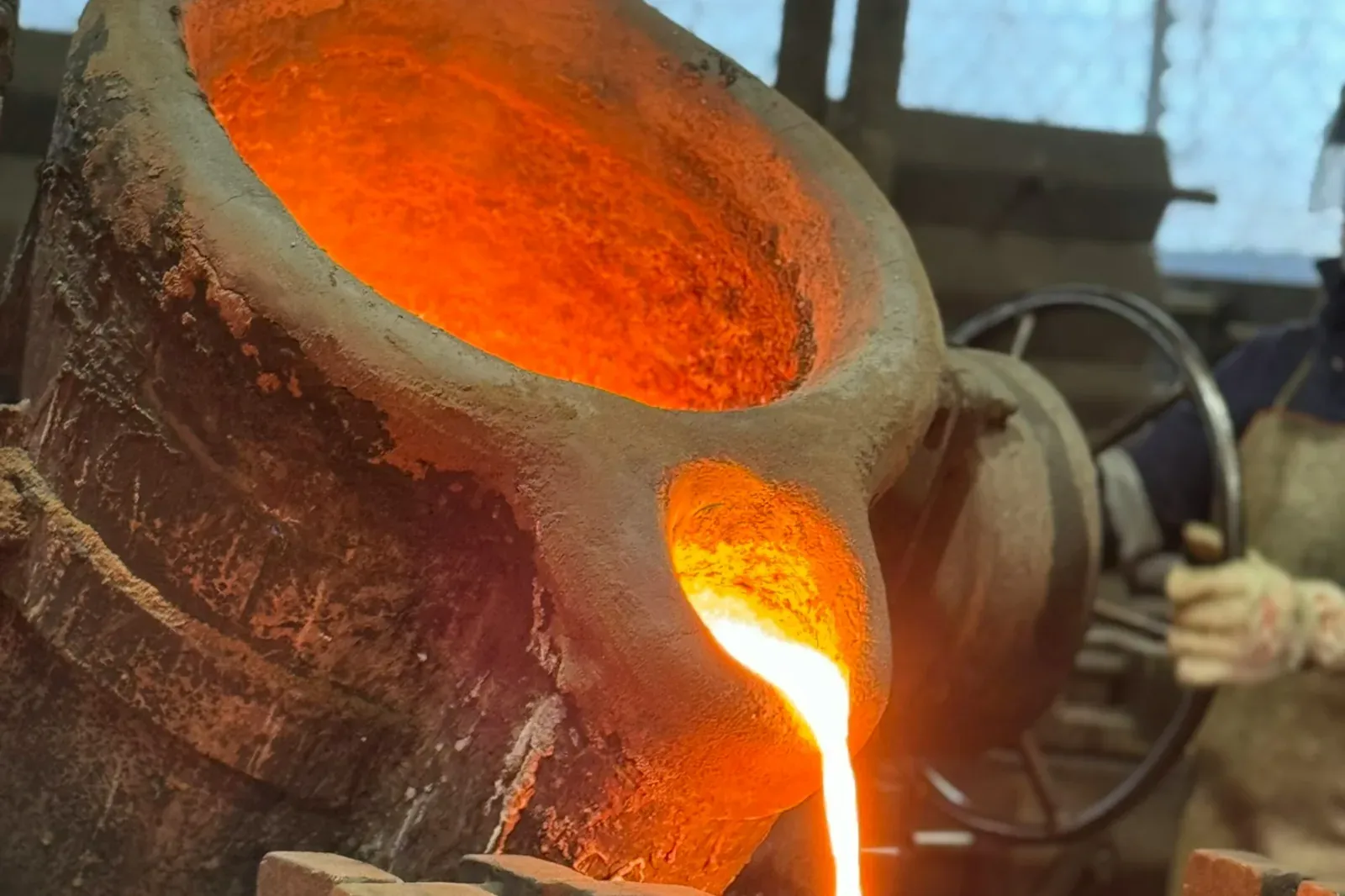
Thermal Shock and Thermal Fatigue in Die Casting Dies
Why does heat checking form in die casting dies? We look at the difference between thermal shock and thermal fatigue, the temperature gradient at the surface, and the shared role of microstructure, heat treatment and die design.
Read Article Steel & Tool Steels
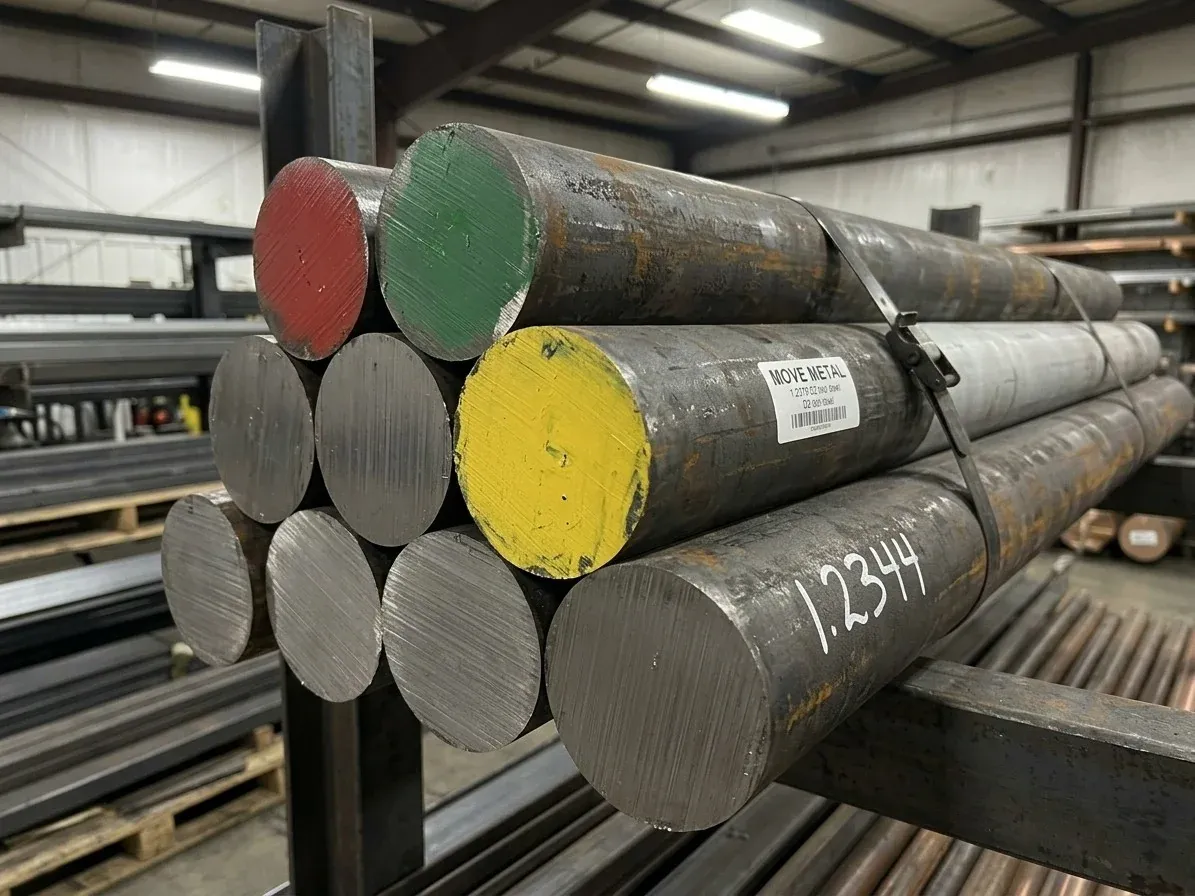
The 1.2344 Die Steel Cracked. Who Is to Blame?
When a 1.2344 / H13 die cracks, blaming the steel straight away is often misleading. We explain how crack location and type, microstructure, heat treatment, design, cooling and EDM history can be read together.
Read Article
Material Guides9
 Steel & Tool Steels
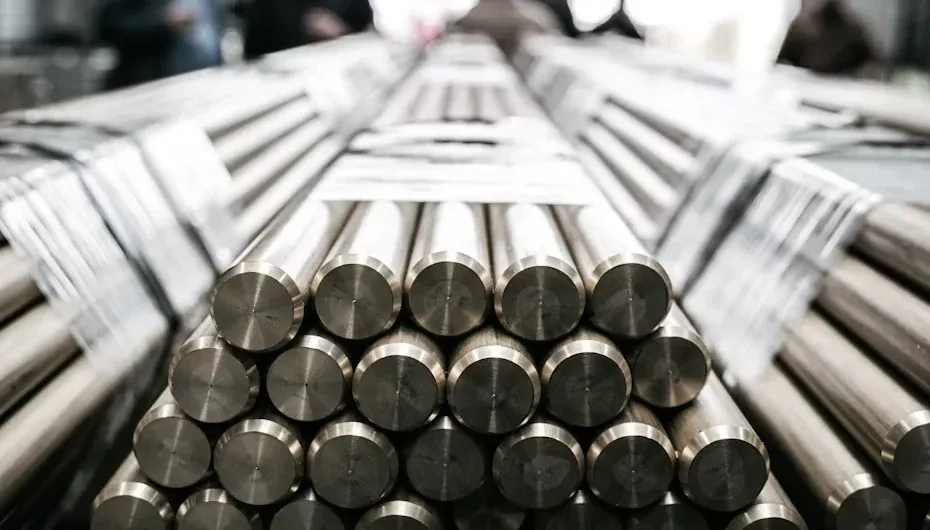
17-4 PH Stainless Steel Guide: Properties, Heat-Treatment Conditions and Specifications
17-4 PH (1.4542 / AISI 630 / UNS S17400) is the most common precipitation-hardening stainless steel, combining corrosion resistance with high strength gained through aging.
Read Article Copper & Bronze
Where CuBe2 and High-Strength Copper Alloys Shine
CuBe2 is a special copper alloy that stands out in applications requiring high strength, spring properties and conductivity at the same time.
Read Article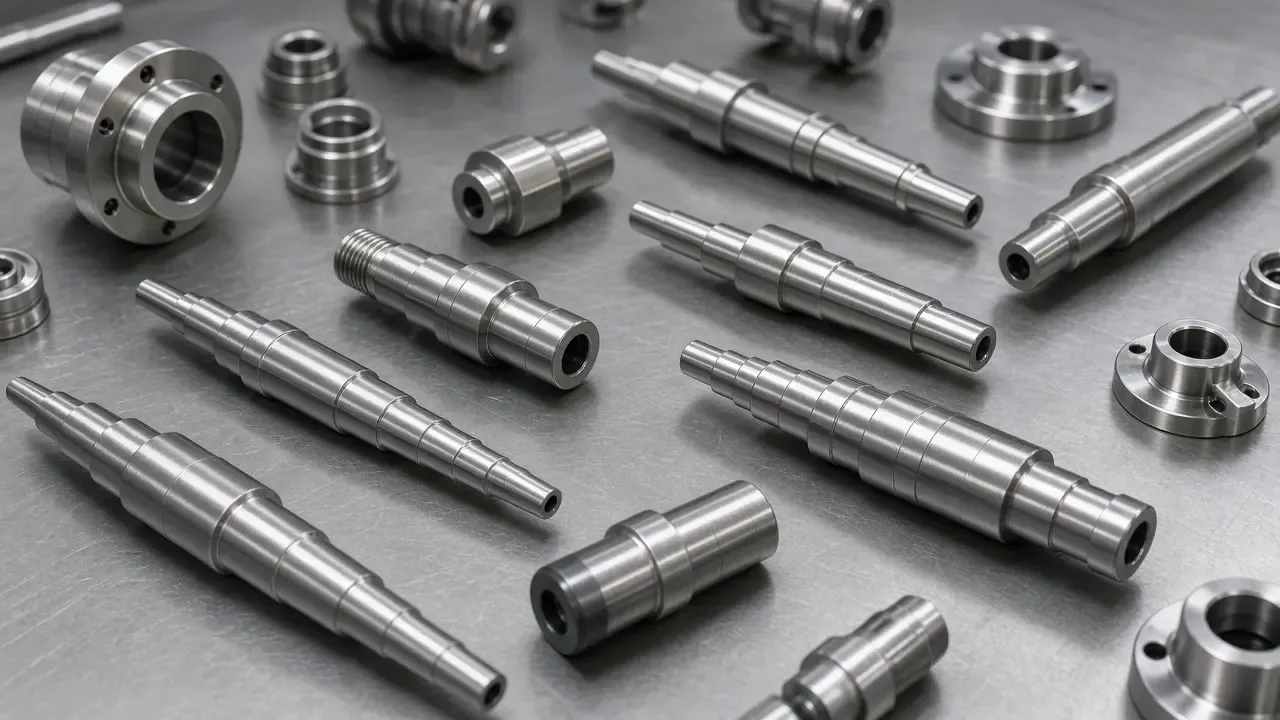 Steel & Tool Steels
PH Stainless Steels: How 17-4PH, 15-5PH and 13-8PH Differ
PH stainless steels are a special grade group combining corrosion resistance with high strength after aging.
Read Article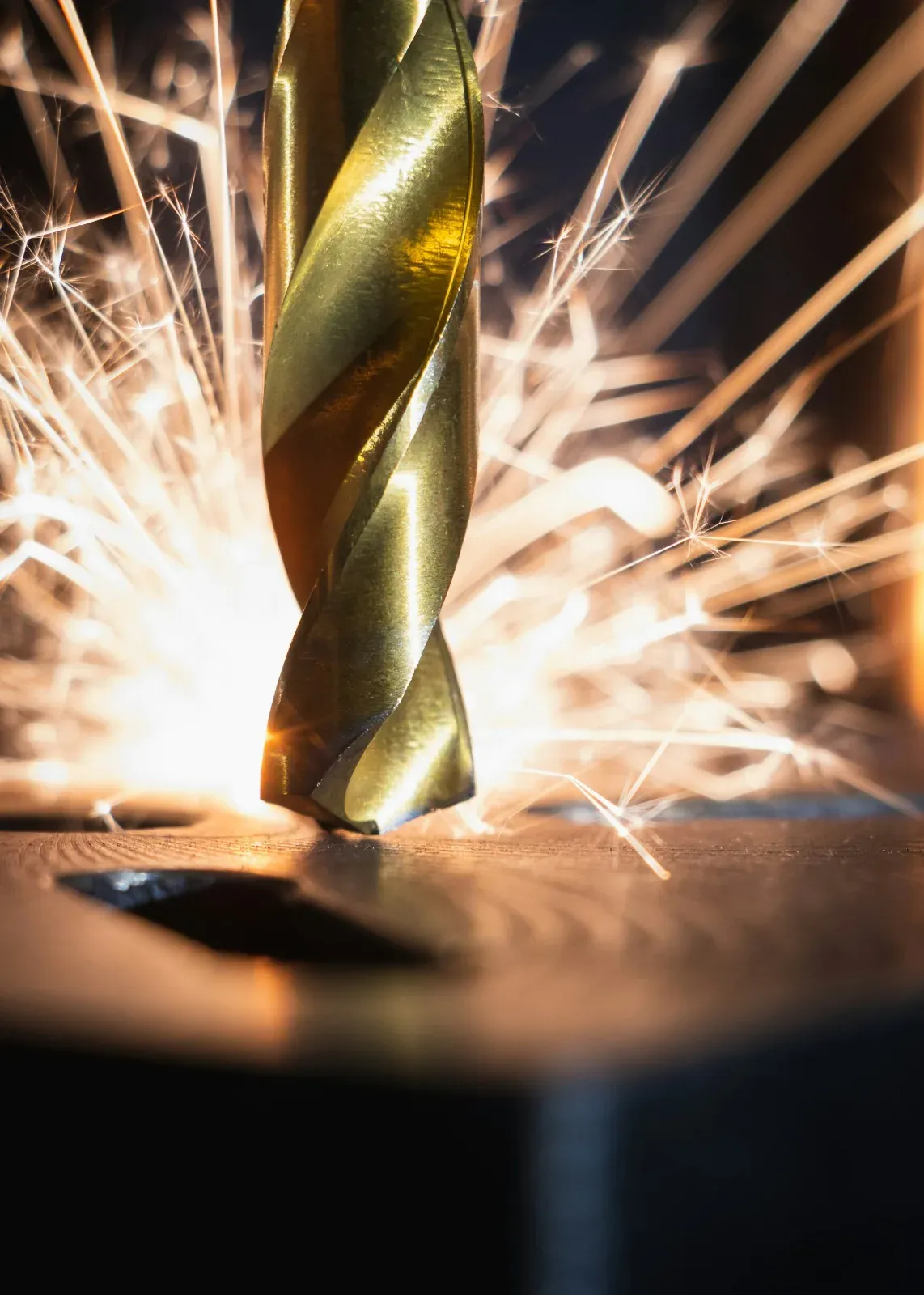 Steel & Tool Steels
Extending Cutting Tool Life with HSS
With the right grade and heat treatment, HSS gives cutting tools the advantages of toughness, hot hardness and regrindability.
Read Article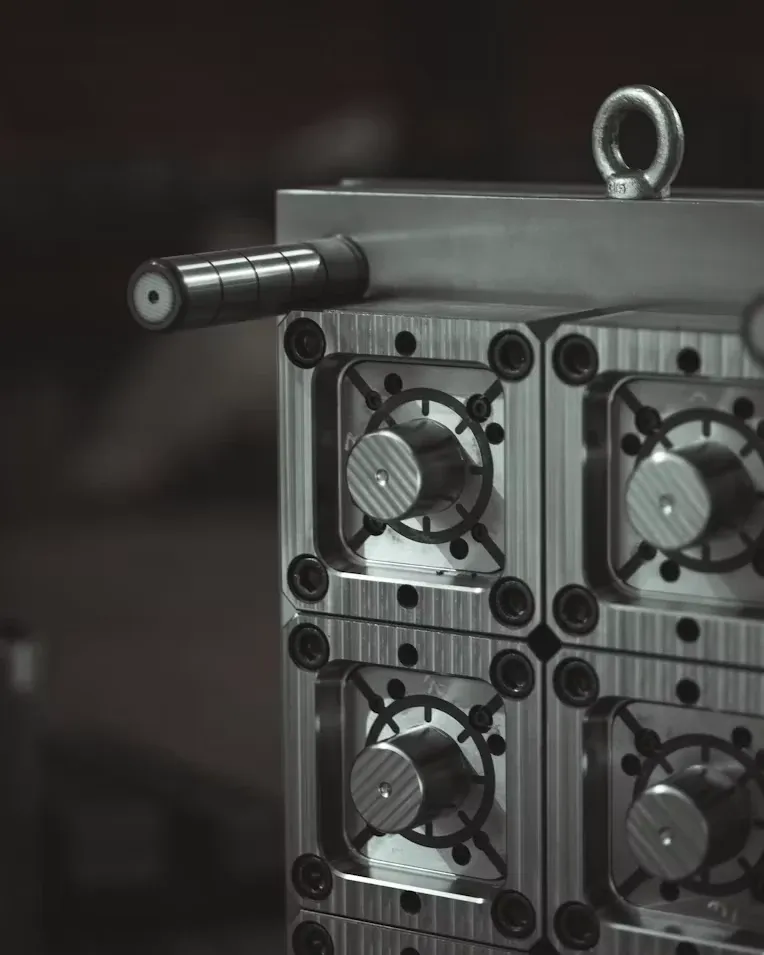 Steel & Tool Steels
The P20 Family in Plastic Mold Steels: 1.2311, 1.2312 and 1.2738
P20-family plastic mold steels offer different advantages according to polishability, machinability and mold size expectations.
Read Article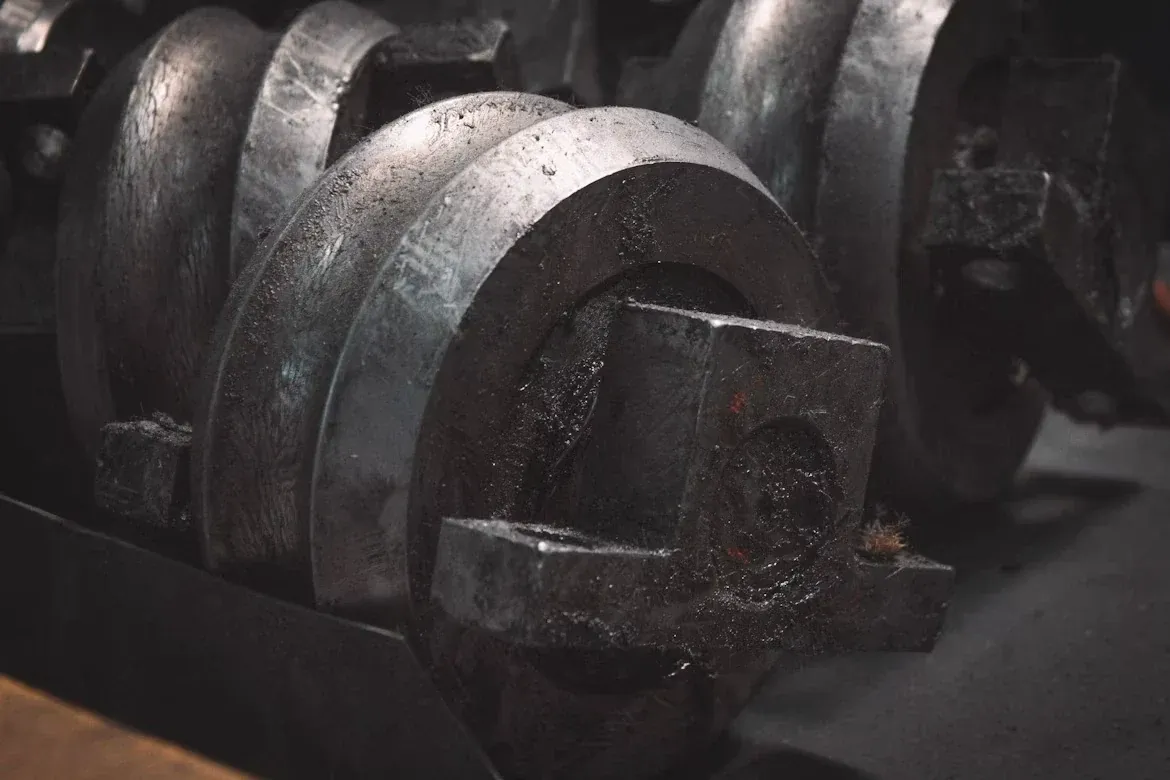 Steel & Tool Steels
Balancing Wear and Toughness When Selecting Cold Work Tool Steel
The most critical decision in cold work steel is striking the right balance between cutting-edge wear and toughness against fracture.
Read Article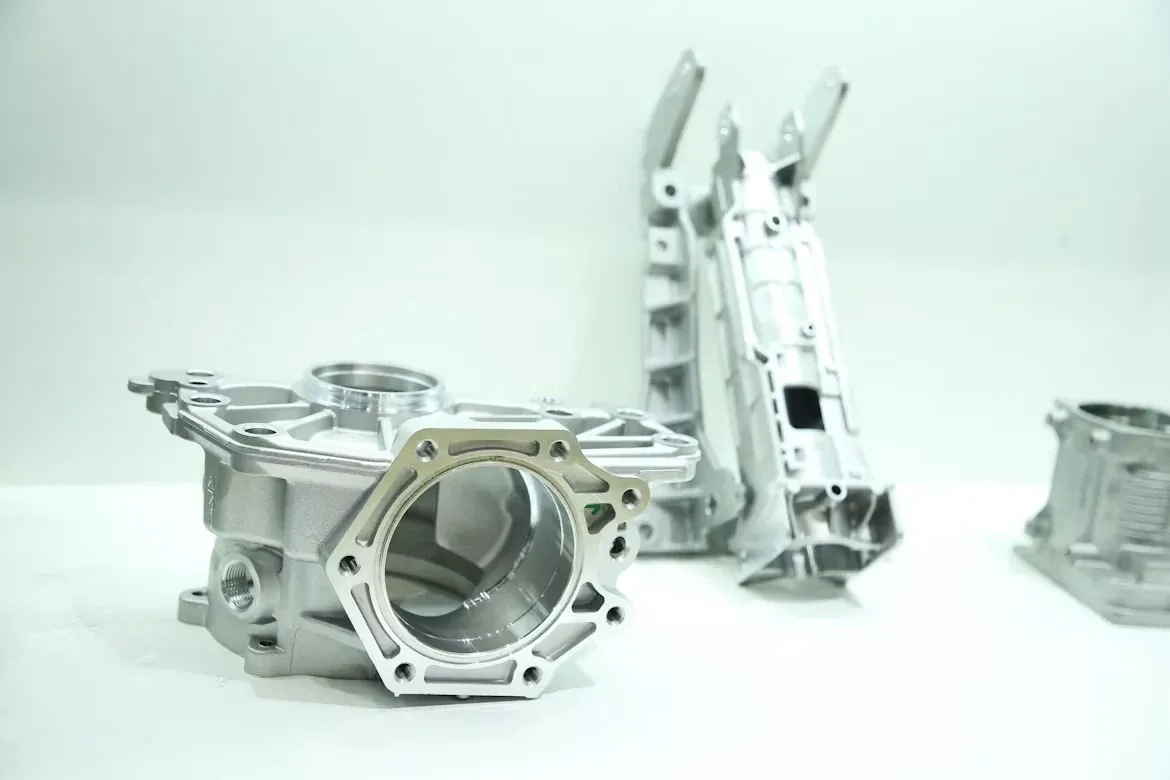 Steel & Tool Steels
Hot Work Tool Steels: When to Choose 1.2344 or 1.2343
The hot work steels 1.2344 and 1.2343 should be selected according to expectations of toughness at high temperature, thermal fatigue and die life.
Read Article Copper & Bronze
What Is Copper? Properties and Applications
Copper is a strategic industrial material thanks to its high electrical and thermal conductivity, formability and corrosion resistance.
Read Article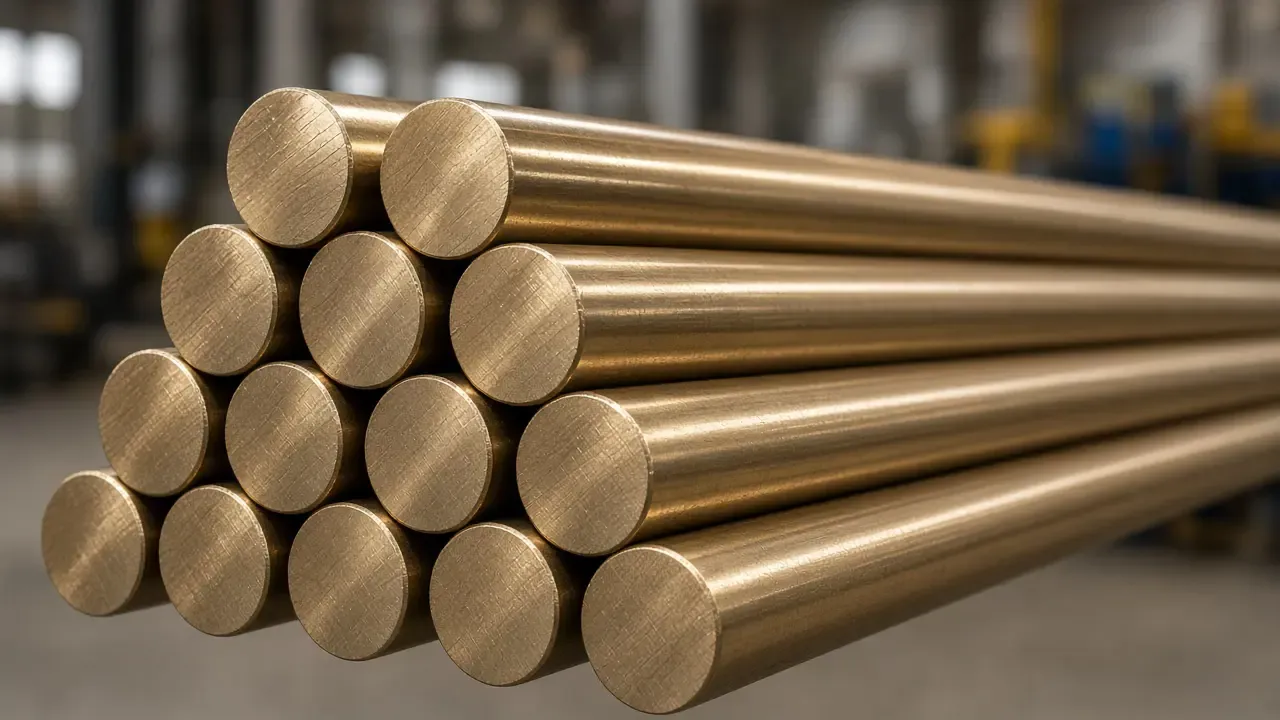 Copper & Bronze
What Is Aluminium Bronze? How to Choose Its Applications
Aluminium bronze is a high-performance bronze family that strongly combines corrosion resistance, wear resistance and load-carrying capability.
Read Article
Standard Guides2
 Material Selection
What Is the Difference Between AMS 4928 and AMS 4928W?
AMS 4928W is the current revision of the AMS 4928 specification for Ti-6Al-4V bars and forgings; the letter identifies which issue of the same specification is required.
Read Article Material Selection
The Difference Between EN 10204 3.1 and 3.2 Certificates
EN 10204 defines the types of inspection documents for metallic products; 3.1 contains test results validated by the manufacturer’s own quality department, 3.2 by an independent party as well.
Read Article
Technical Notes8
 Steel & Tool Steels
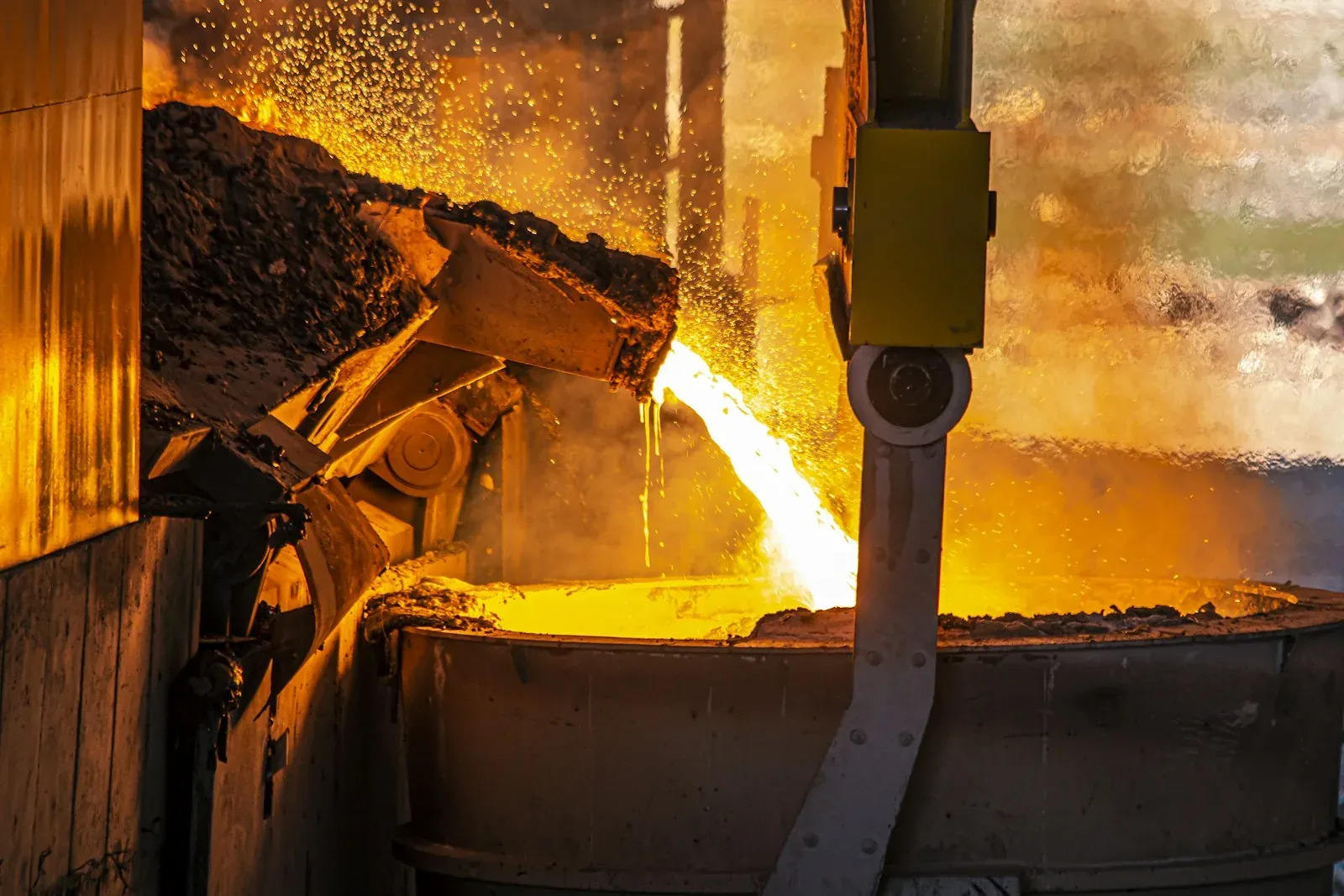
Why Does ESR Matter for 1.2344?
1.2344 with the same chemical composition can have different internal cleanliness depending on whether it is produced conventionally or by ESR. We summarise when an ESR requirement is meaningful and how to state it in an order.
Read Article Material Selection
Why Can the Same Grade Behave Differently in Different Delivery Conditions?
Even with the same chemical composition, the delivery condition changes hardness, machinability, toughness and the result of subsequent heat treatment. We summarise common delivery conditions and what to watch for in an order.
Read Article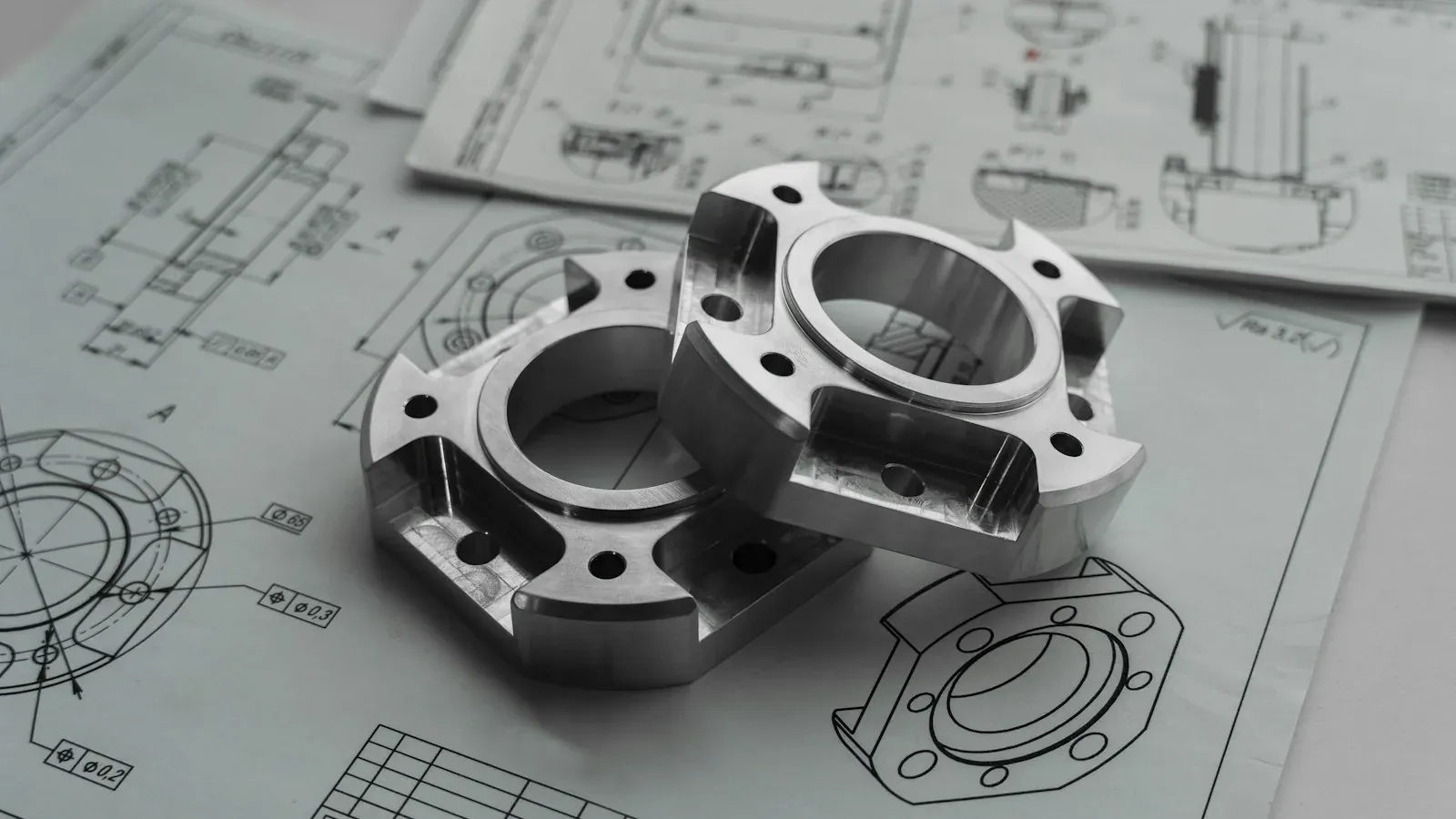 Material Selection
Is an “Equivalent” Material Really Equivalent?
Counterparts such as 1.2344 ≈ H13 or 1.4542 ≈ 17-4 PH are widely used in practice, but grades in different standards are not always exactly the same. We summarise the difference between a counterpart and equivalence.
Read Article Steel & Tool Steels
Why Do Dimensional Changes Occur After Heat Treatment?
During hardening and tempering, microstructural transformations and stresses can cause dimensional change and distortion. We summarise the main causes and the measures that can be taken at design and sourcing stage.
Read Article Material Selection
Why Is the Grade Name Alone Not Enough When Ordering Material?
The same grade name can be supplied with different standards, delivery conditions, tolerances and test requirements. We summarise the information a request should contain so that the right material arrives.
Read Article Material Selection
What Should Be Checked When Reading an MTC?
The mill test certificate (MTC) is the basic document showing that the received material matches the order. We go through the points to check at acceptance, in order.
Read Article Material Selection
Why Does the Revision Matter When Specifying an EN / ASTM / AMS Standard?
Standards are updated over time; chemistry limits, test requirements or scope may change. We summarise why it is important to state the revision of a standard in a request.
Read Article Material Selection
What Information Matters in a UT Report?
An ultrasonic testing report is more than the word “acceptable”. It is necessary to check which standard and acceptance class the report was prepared to, and under what conditions.
Read Article
Technical Articles6
 Services & Processes
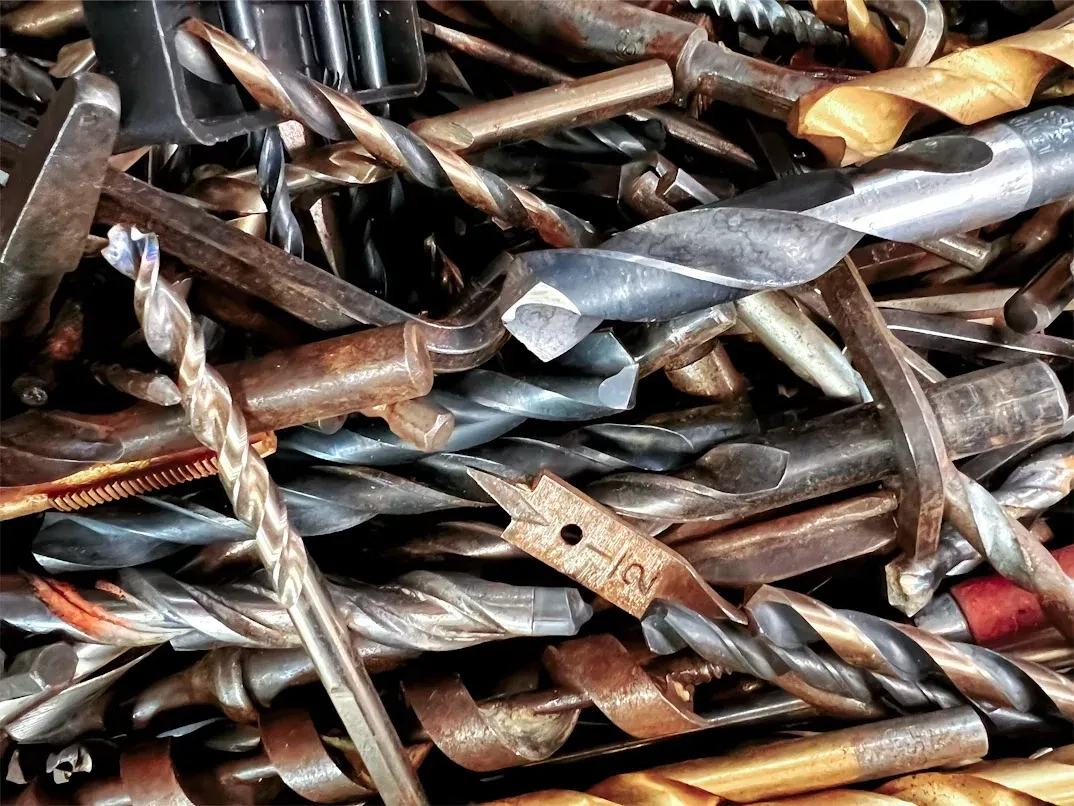
What Is HSS Scrap? What Determines Its Value?
HSS scrap is a recycling resource far more valuable than ordinary steel scrap thanks to its tungsten, molybdenum, cobalt and vanadium content, with an international market when segregated and declared correctly.
Read Article Services & Processes
Preventing Wrong Material Selection with Technical Support
Technical support reduces the risk of wrong supply by putting application conditions, not just the grade name, at the centre of material selection.
Read Article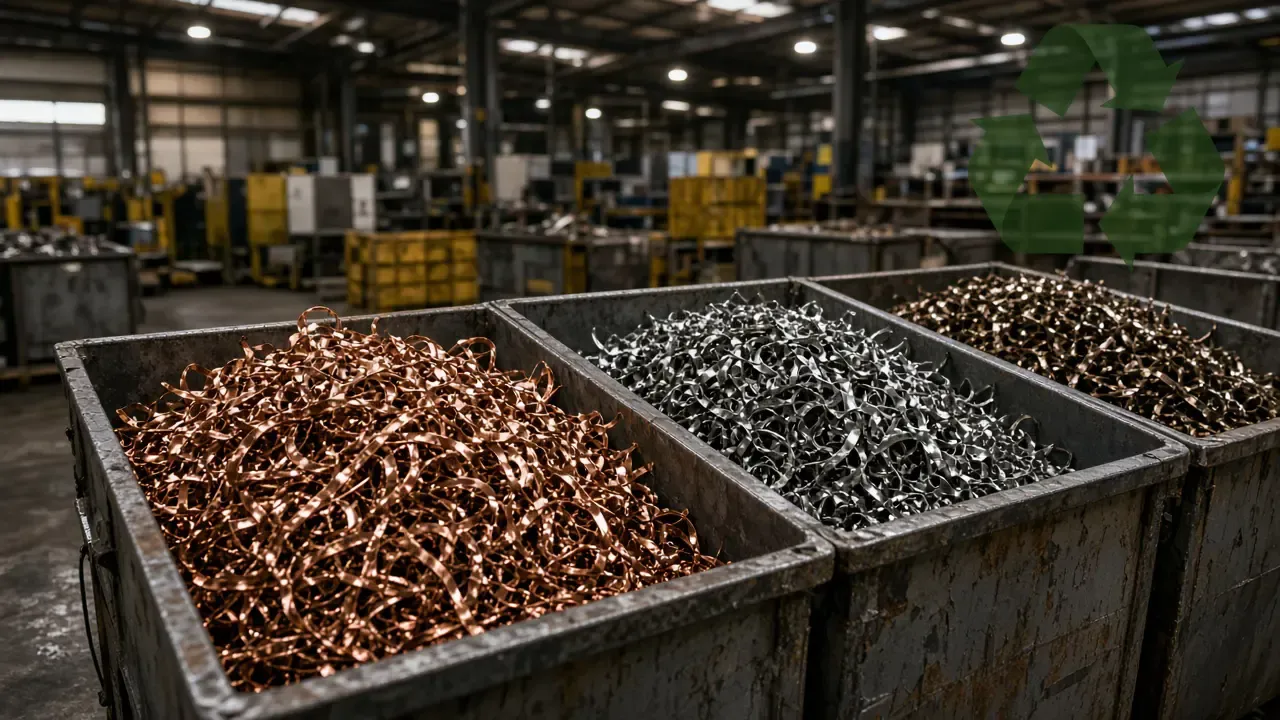 Services & Processes
Industrial Metal Recycling: HSS and Carbide Scrap
With correct segregation and analysis, HSS and carbide scrap are strategic recycling resources that retain their industrial value.
Read Article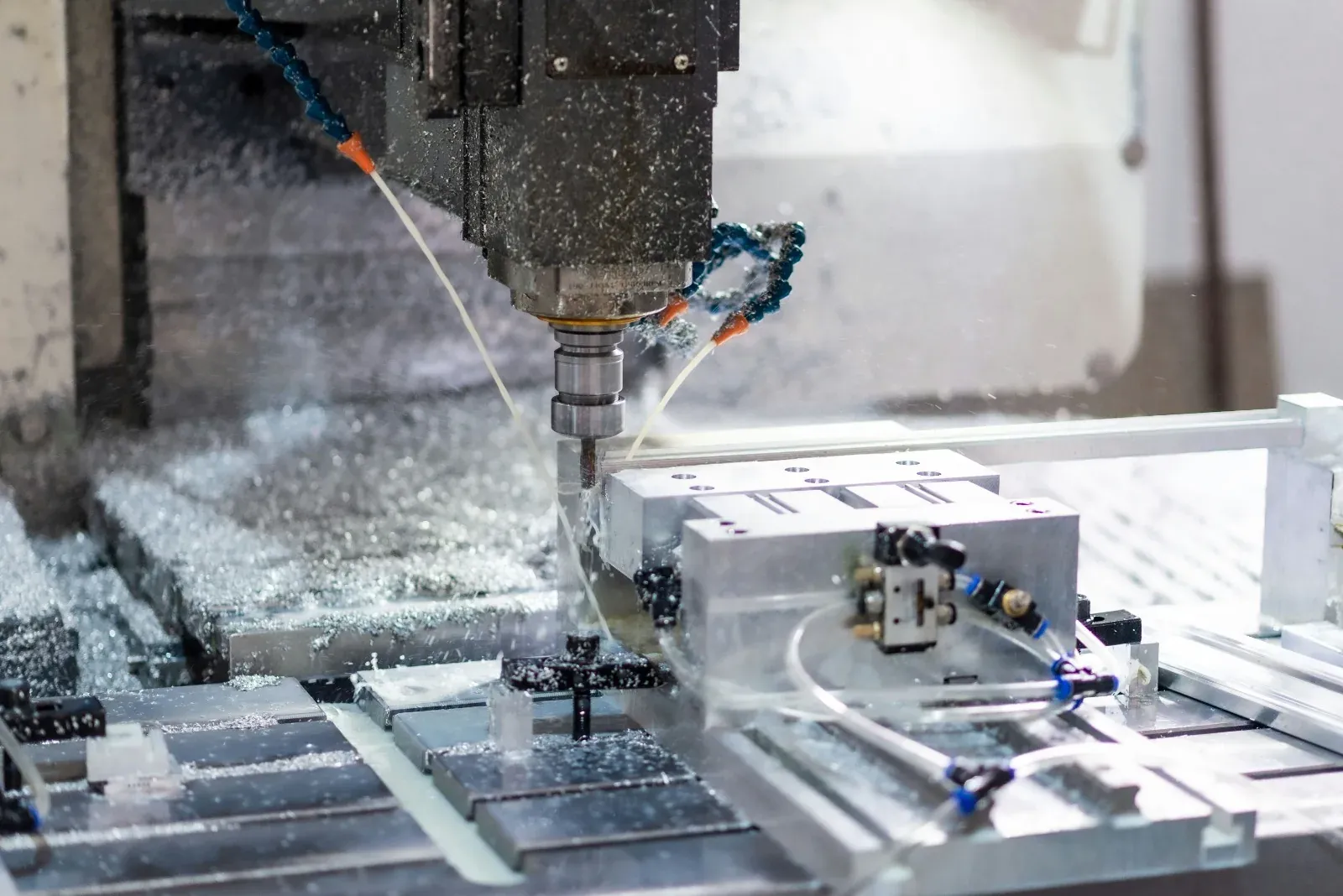 Services & Processes
Machining to Drawing: Producing Exactly What the Drawing Specifies
Production to drawing requires tolerance, surface quality, material certification and process control to be managed with the same discipline.
Read Article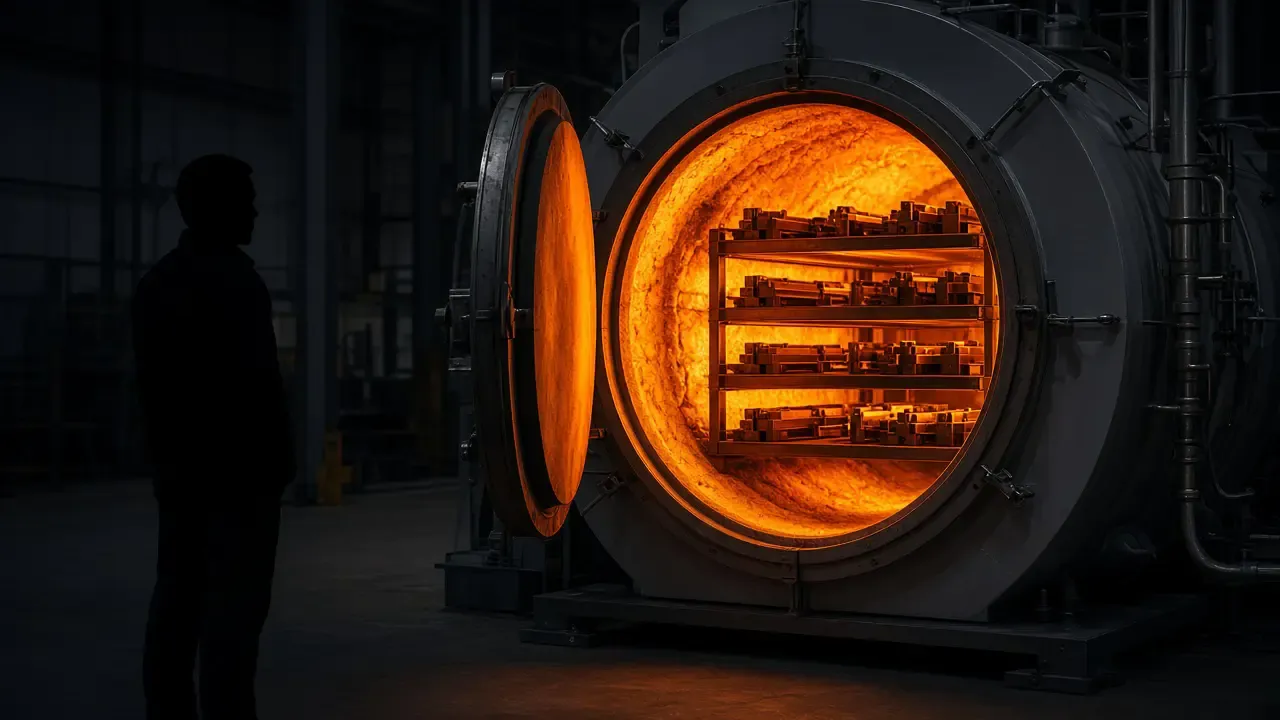 Services & Processes
Why Heat Treatment Is as Critical as Material Supply
Without the right heat treatment, even the right material cannot deliver the targeted hardness, toughness and dimensional stability.
Read Article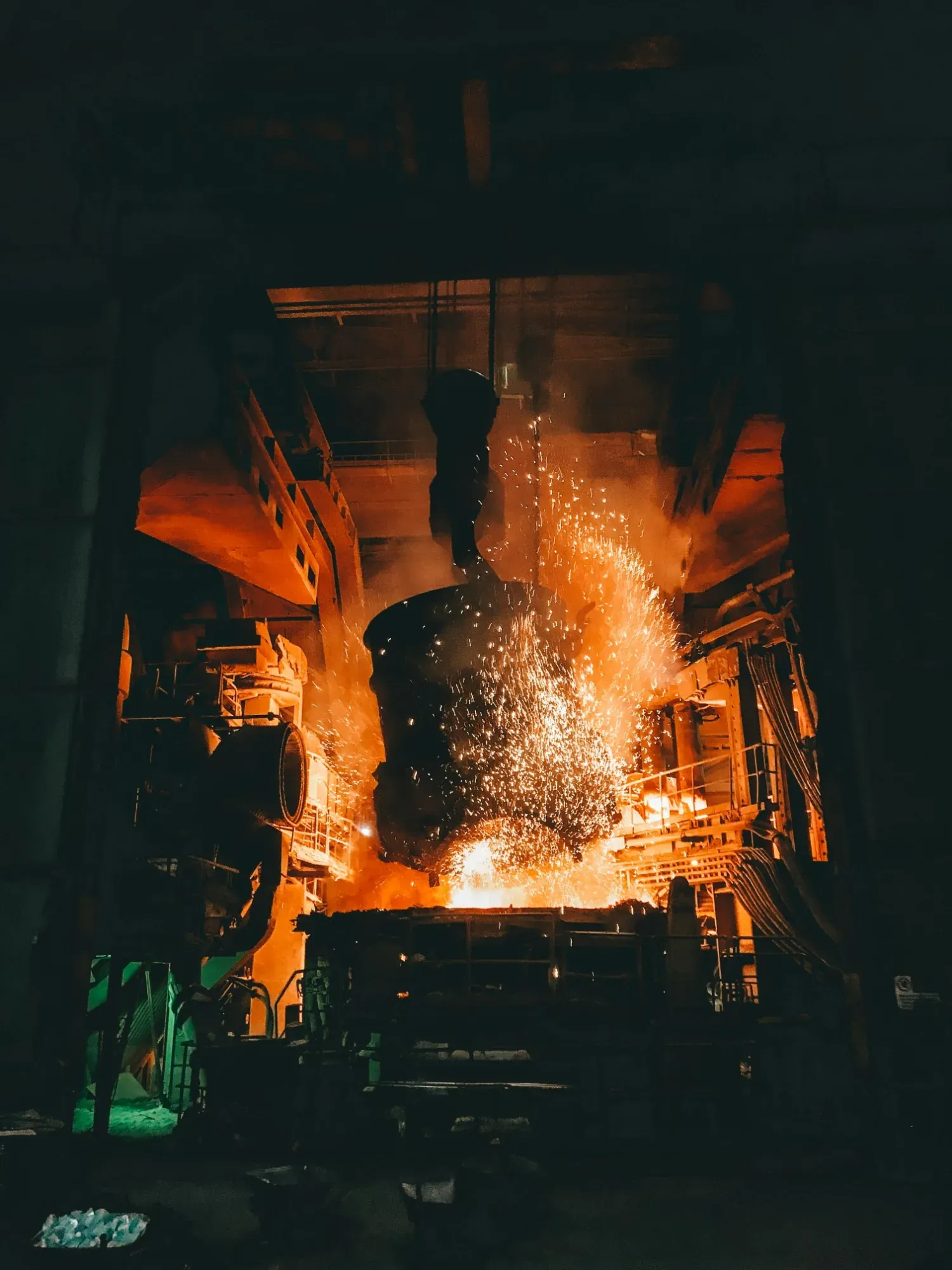 Steel & Tool Steels
Why Steel Is the Backbone of Manufacturing
Steel is the fundamental material of modern manufacturing because it brings strength, machinability, weldability and cost balance together.
Read Article
Caught your interest?
Send us the grade, dimensions and quantity for a quotation.