
H21 Tool Steel
1.2581
- EN1.2581
- ENX30WCrV9-3
- AISIH21
Tungsten-alloyed hot work tool steel. Retains hardness and wear resistance at high temperatures; toughness is lower than chromium-based hot work steels, so it is used where sustained high temperature rather than thermal shock is the governing factor.
01Material Properties
- High hardness and wear resistance at elevated temperature
- Very good tempering resistance
- Moderate toughness; not suitable for sudden water cooling
- Tools should be preheated before use
- Heat treated to 48–52 HRC
02Applications
- Hot extrusion dies for brass and copper
- Hot pressing and forging die inserts
- Hot shear blades
- Mandrels and punches
- Glass and ceramic mold components
03Delivery Condition
- Max. 241 HB, soft annealed.
04Heat Treatment
Typical values
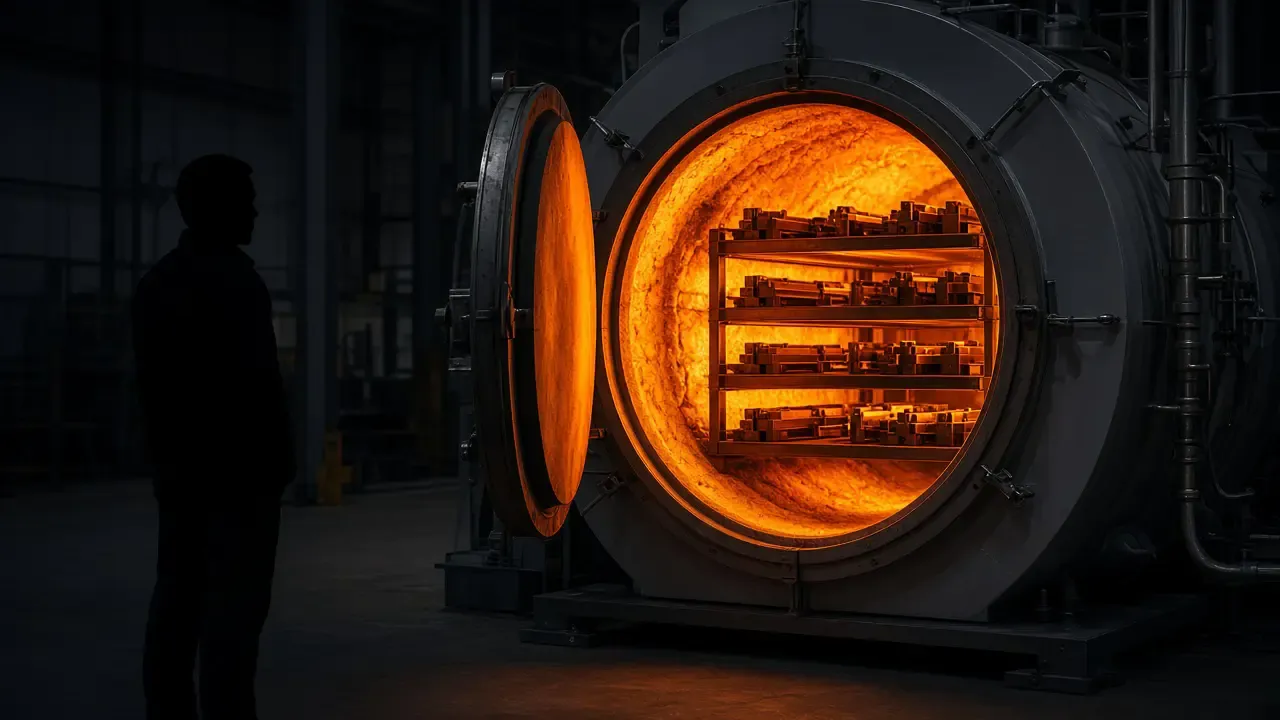
- Soft annealing
- 760–810 °C; max. 241 HB
- Stress relieving
- 650–700 °C
- Preheating
- Three stages: 650 °C, 850 °C, 1050 °C
- Hardening
- 1100–1150 °C; 15–20 min
- Quenching medium
- Oil or air/pressurised gas; 500–550 °C salt bath
- As-quenched hardness
- ≈ 48–52 HRC
- Tempering
- At least twice, min. 2 h; 600–700 °C
- Working hardness
- 40–50 HRC
- Service note
- Preheat tools to 300–400 °C before use
Heat treatment cycle (schematic)
Tempering diagram (approximate)
Values are approximate and for information only; they vary with section size, heat and furnace conditions. Binding values are determined from the manufacturer’s data under laboratory conditions.
Have a material requirement?
Send us your specification, drawing or RFQ. Our team will review the requirement and identify a suitable supply option.