
M3:2 High Speed Steel
1.3344
- EN1.3344
- ENHS6-5-3
- AISIM3:2
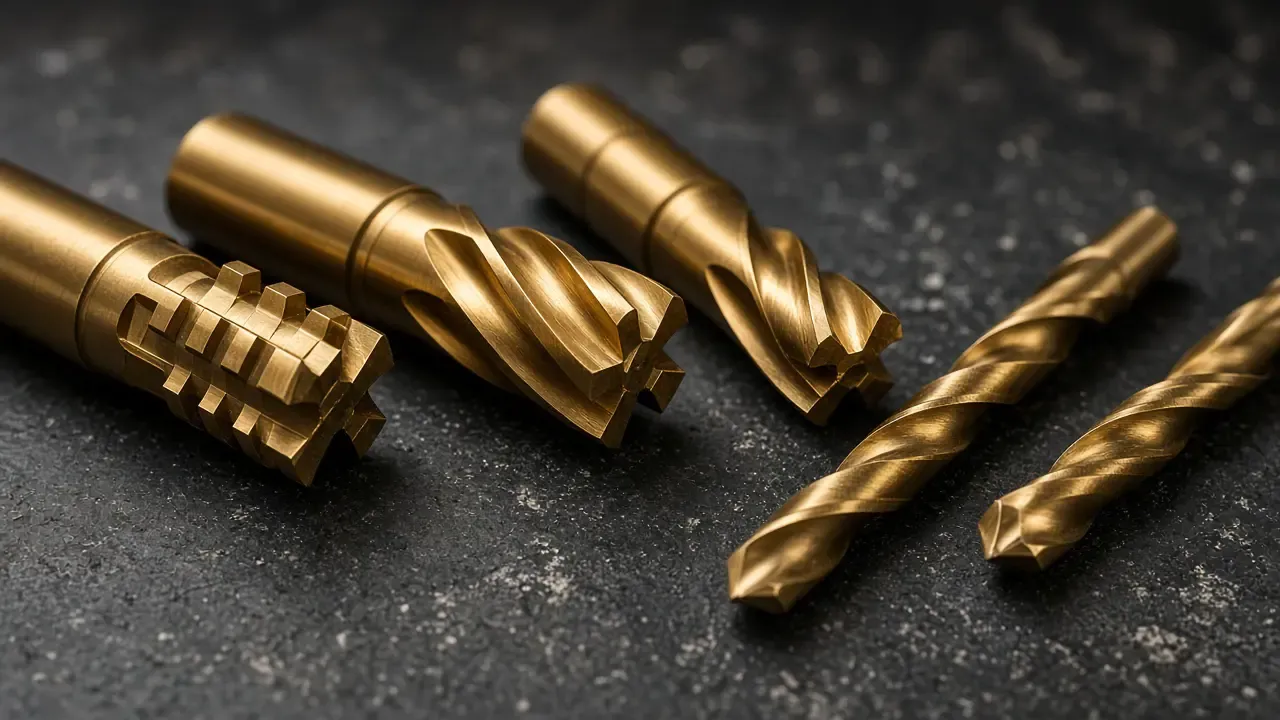
Molybdenum-tungsten high speed steel with higher vanadium content than M2. The increased vanadium carbide raises wear resistance; preferred for machining abrasive materials and where long tool life is required.
01Material Properties
- Higher wear resistance than M2
- Good hot hardness
- Moderate toughness
- Grindability lower than M2
- Heat treated to 64–66 HRC
02Applications
- Broaches and taps
- Milling cutters and hobs
- Cutting tools for abrasive materials
- Punching and cutting punches
- High-performance drills
03Delivery Condition
- Max. 269 HB, soft annealed.
04Heat Treatment
Typical values
- Soft annealing
- 770–840 °C; max. 269 HB
- Stress relieving
- 600–650 °C
- Preheating
- Three stages: 450–550 °C, 850 °C, 1050 °C
- Hardening
- 1180–1220 °C; short soak (80–150 s)
- Quenching medium
- 500–550 °C salt bath + air; pressurised gas in vacuum
- Tempering
- 540–570 °C, three times, 1–2 h
- Working hardness
- 64–66 HRC
- Note
- Protective atmosphere/vacuum against decarburisation
Heat treatment cycle (schematic)
Tempering diagram (approximate)
Values are approximate and for information only; they vary with section size, heat and furnace conditions. Binding values are determined from the manufacturer’s data under laboratory conditions.
Have a material requirement?
Send us your specification, drawing or RFQ. Our team will review the requirement and identify a suitable supply option.